*désenclenchement*chico5817 wrote:Bon un peu plus de détails, merci!
J'ai hâte de connaitre le comment du pourquoi l'avion est devenu ''ingouvernable'' après le déclenchement du pilote automatique
Pierre C.
Ecrasement aux iles de la madeleine....
-
Synoptic

- Participant régulier

- Posts: 725
- Joined: Sun 11 Jul, 2010 20:02
- Possédez-vous une licence de pilote?: Oui
- Marque de l'avion: Grumman
- Modèle de l'avion: Tiger
- Identification de l'avion:
- Location: Saint-Lambert (de Longueuil)
Re: Ecrasement aux iles de la madeleine....
-
chico5817
- Sérieux participant

- Posts: 2359
- Joined: Fri 09 Oct, 2009 09:45
- Possédez-vous une licence de pilote?: Oui
- Marque de l'avion:
- Modèle de l'avion:
- Identification de l'avion:
- Location: au Québec
Re: Ecrasement aux iles de la madeleine....
Débrayage...
Pierre C.
Pierre C.
Last edited by chico5817 on Fri 15 Jul, 2016 12:12, edited 2 times in total.
-
Louis_greniier

- Grand conteur

- Posts: 7616
- Joined: Sun 14 Sep, 2008 12:01
- Possédez-vous une licence de pilote?: Oui
- Marque de l'avion:
- Modèle de l'avion:
- Identification de l'avion:
- Location: montreal
Re: Ecrasement aux iles de la madeleine....
Et quelques secondes après le déploiement des volets et du train.chico5817 wrote:pourquoi l'avion est devenu ''ingouvernable'' après le désenclenchement du pilote automatique
.
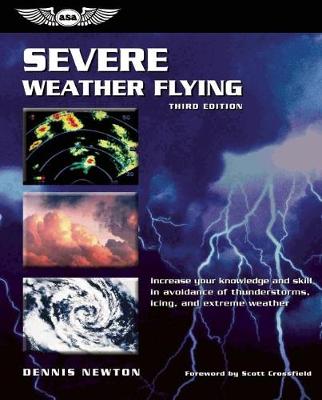
Depuis des lunes, dans les cas de givrage, on soulève le danger de l'application des volets en cas de givrage de la queue. Un type, Dennis Newton ( faut le faire quand même d'avoir ce nom sans son domaine) , s'était beaucoup investit dans la mise en garde concernant les conditions de givrage qui sortait l'avion en dehors de ses paramètres de certification. Bref, qui sortait l'avion de son POH. Pour faire du pilote un pilote d'essai. Obligeant de choisir des vitesses autres que celles qui sont publiées au POH. Son implication était venu après avoir constaté que la plupart des accidents mortels de givrage était arrivés en finale. Presqu'arrivés à l'aéroport. Alors que les avions avaient volés dans les mêmes conditions de givrage qu'ils avaient rencontrés pour se rendre jusqu'en finale. Il en sort quelques paramètres, dont celui de l'application des volets qui changent la donne de l'aérodynamique. Faisant décrocher la queue givrée en lui demandant un plus gros angle d'attaque pour contrer la portance des volets. La NASA et la FAA ont repris ensuite le flambeau. Puis d'autres pays s'y sont joints. On a même reclassé d'anciens rapports d'accidents vers un givrage de queue à la lumière des études. Les normes de certifications sous givrage sont maintenant beaucoup plus pointues que par le passé.
On peut lire ici un genre de résumé de ses travaux écrit par un pilote de ligne de 12,000 heures qui lui aussi s'est intéressé à la question:
http://www.avweb.com/news/safety/183056-1.html" onclick="window.open(this.href);return false;
On y apprend aussi qu'un prop chauffé n'aide que marginalement, et encore. Moi qui croyait que mon nouveau prop chauffé allait faire une différence.
Le BST est surement en train de vérifier si l'accident ici pourrait faire partie d'un des ces accidents. Tout un travail qu'ils ont à faire. A éliminer une cause après l'autre pour arriver à la plus probable. Une année d'enquête ça doit passer vite en titi quand on en est le responsable. En plus j'imagine que les simulateurs de vols pour des avions ordinaires doivent donner des résultats fiables seulement quand on est à l'intérieur des paramètres du POH. Ce genre de simulateurs servants que pour l'entrainement des équipages . Au contraire des nouveaux avions qui , j'imagine, doivent avoir des simulateurs de conception couvrant bien au delà des paramètres ordinaires. Ca ne doit pas être une partie de plaisir à reconstituer un accident.
Louis
A ne pas lire, sinon vous aurez peur même du bonhomme sept heures:
Last edited by Louis_greniier on Thu 14 Jul, 2016 09:27, edited 4 times in total.
-
Louis_greniier
- Grand conteur
- Posts: 7616
- Joined: Sun 14 Sep, 2008 12:01
- Possédez-vous une licence de pilote?: Oui
- Marque de l'avion:
- Modèle de l'avion:
- Identification de l'avion:
- Location: montreal
-
chico5817
- Sérieux participant
- Posts: 2359
- Joined: Fri 09 Oct, 2009 09:45
- Possédez-vous une licence de pilote?: Oui
- Marque de l'avion:
- Modèle de l'avion:
- Identification de l'avion:
- Location: au Québec
Re: Ecrasement aux iles de la madeleine....
Louis es-ce que ce document (livre est disponible sur le net) je ne le trouves pas ou je ne le cherche pas bien.Louis_greniier wrote:
Merci!
Pierre C.
-
chico5817
- Sérieux participant
- Posts: 2359
- Joined: Fri 09 Oct, 2009 09:45
- Possédez-vous une licence de pilote?: Oui
- Marque de l'avion:
- Modèle de l'avion:
- Identification de l'avion:
- Location: au Québec
Re: Ecrasement aux iles de la madeleine....
J'ai trouvé, je ne cherchais pas correctement.
Pierre C.
Pierre C.
-
Louis_greniier
- Grand conteur
- Posts: 7616
- Joined: Sun 14 Sep, 2008 12:01
- Possédez-vous une licence de pilote?: Oui
- Marque de l'avion:
- Modèle de l'avion:
- Identification de l'avion:
- Location: montreal
Re: Ecrasement aux iles de la madeleine....
FAA Updates and Redesignates MU-2B Training Rules
The FAA has updated and will ultimately eliminate Special FAR 108, the mandatory training requirements for all operators of U.S.-registered Mitsubishi MU-2Bs. Effective immediately, the content of SFAR 108 has been revised. In addition, SFAR 108 will be eliminated and its content formed into new subpart N of Part 91 on Nov. 7, 2017, after which time all MU-2B operators must comply with this subpart.
The revised content will include “correcting and updating several inaccurate maneuver profiles to reflect current FAA training philosophy and adding new FAA procedures not previously part of the MU–2B training under SFAR 108.” As a result of this action, operators, training providers and safety officials will have more timely access to standardized, accurate training material, the agency said.
Although the FAA is inviting comments, the agency adopted this final rule without prior notice and public comment to “mitigate safety risks.” Comments may be submitted no later than
November 7, the compliance date for this final rule.
Before SFAR 108 went into effect in 2009, U.S.-registered MU-2Bs experienced 80 accidents with 40 fatalities, according to the FAA. The agency said since the effective date of SFAR 108, there have only been two fatal accidents in the U.S. However, a third, and the most recent, U.S.-registered MU-2 fatal crash occurred in Canada on March 29.
The FAA has updated and will ultimately eliminate Special FAR 108, the mandatory training requirements for all operators of U.S.-registered Mitsubishi MU-2Bs. Effective immediately, the content of SFAR 108 has been revised. In addition, SFAR 108 will be eliminated and its content formed into new subpart N of Part 91 on Nov. 7, 2017, after which time all MU-2B operators must comply with this subpart.
The revised content will include “correcting and updating several inaccurate maneuver profiles to reflect current FAA training philosophy and adding new FAA procedures not previously part of the MU–2B training under SFAR 108.” As a result of this action, operators, training providers and safety officials will have more timely access to standardized, accurate training material, the agency said.
Although the FAA is inviting comments, the agency adopted this final rule without prior notice and public comment to “mitigate safety risks.” Comments may be submitted no later than
November 7, the compliance date for this final rule.
Before SFAR 108 went into effect in 2009, U.S.-registered MU-2Bs experienced 80 accidents with 40 fatalities, according to the FAA. The agency said since the effective date of SFAR 108, there have only been two fatal accidents in the U.S. However, a third, and the most recent, U.S.-registered MU-2 fatal crash occurred in Canada on March 29.
-
Louis_greniier
- Grand conteur
- Posts: 7616
- Joined: Sun 14 Sep, 2008 12:01
- Possédez-vous une licence de pilote?: Oui
- Marque de l'avion:
- Modèle de l'avion:
- Identification de l'avion:
- Location: montreal
Re: Ecrasement aux iles de la madeleine....
The FAA has updated the regulatory requirements and procedures for pilots training in and operating the Mitsubishi MU-2B twin-engine turboprop in a final rule that was published Sept. 7.
Mitsubishi MU-2B
Mitsubishi MU-2B
The rule became effective immediately without prior public notice to “mitigate the safety risks” created by conflicts between the existing MU-2 training requirements of Special Federal Aviation Regulation (SFAR) 108 and the FAA’s current policy and guidelines, the agency said. Comments will be accepted until Nov. 7, however, and AOPA is reviewing the final rule to evaluate whether to submit comments.
Under the new rule, all training conducted in an MU-2B series airplane on or after Nov. 7 must follow an FAA-approved MU-2B training program that meets the standards set forth in a new Subpart N of Part 91. Before Nov. 7, MU-2B training may be accomplished in accordance with either SFAR 108 or an FAA-approved training program. SFAR 108 will no longer be in effect after Nov. 7.
In the 20 years before SFAR 108 was published in 2008, MU-2-series aircraft had 80 accidents with 40 fatalities, according to an FAA safety evaluation of the turboprop, which has “unique control surfaces and characteristics” such as spoilers rather than ailerons used for roll control. Since the SFAR was implemented, the fleet of approximately 300 aircraft operating under 14 CFR parts 91 and 135 has experienced only two fatal accidents, the FAA said.
Over the past eight years, FAA policy has evolved, resulting in changes to pilot training that the SFAR did not prescribe for MU-2B training programs. An example of one change unavailable to pilots training on the aircraft was the use of Continuous Descent Final Approach procedures on nonprecision instrument approaches as an alternative to the “dive and drive” method, which has been criticized as potentially destabilizing when the approach must be flown with an engine inoperative.
In another instance, the FAA’s revision of stall recognition and recovery procedures in 2012 shifted the training emphasis for all aircraft from ensuring a “minimum loss of altitude” during stall training maneuvers to “a positive reduction in angle of attack” as the proper stall recovery method. No corresponding revision was made to SFAR 108 at that time.
“The FAA also introduced the use of 'startle factor' training through the use of the autopilot during stall recognition and recovery practice in all aircraft training programs. However, the FAA did not include the 'startle factor' training in SFAR No. 108,” the new rule states.
The new rule also corrects errors published in SFAR 108 and identified by industry participants—including “at least one error in procedure in the One Engine Inoperative Maneuvering Loss of Directional Control (Vmc Demonstration) profile.”
Also adopted in the new rule is a recommendation from the National Transportation Safety Board that the MU-2B training profiles be removed from SFAR 108, allowing the profiles to be updated in the future without having to go through the federal rulemaking process.
“The FAA interprets this recommendation from the NTSB to mean that the more prescriptive rule in SFAR No. 108 should be revised to a more flexible rule, such as a performance standard. This change will allow flight training profiles to be updated more rapidly in response to improved training best practices and guidance, thus improving operational safety of the MU-2B aircraft,” the FAA said in its discussion of the new rule.
The new FAA approval requirement for MU-2B flight training programs will provide training providers the flexibility to update their programs when necessary. Training providers must have their training programs approved either by a principal operations inspector or, if the training is provided under Part 91, an FAA flight standards district office. An example of an approved MU-2B flight training program is provided in a new FAA advisory circular.
Comments on the new rule may be submitted on or before Nov. 7, citing Docket No. FAA-2006-24981 online or by mail to Docket Operations, M-30; U.S. Department of Transportation (DOT), 1200 New Jersey Avenue, SE., Room W12-140, West Building Ground Floor, Washington, DC 20590-0001.
Mitsubishi MU-2B
Mitsubishi MU-2B
The rule became effective immediately without prior public notice to “mitigate the safety risks” created by conflicts between the existing MU-2 training requirements of Special Federal Aviation Regulation (SFAR) 108 and the FAA’s current policy and guidelines, the agency said. Comments will be accepted until Nov. 7, however, and AOPA is reviewing the final rule to evaluate whether to submit comments.
Under the new rule, all training conducted in an MU-2B series airplane on or after Nov. 7 must follow an FAA-approved MU-2B training program that meets the standards set forth in a new Subpart N of Part 91. Before Nov. 7, MU-2B training may be accomplished in accordance with either SFAR 108 or an FAA-approved training program. SFAR 108 will no longer be in effect after Nov. 7.
In the 20 years before SFAR 108 was published in 2008, MU-2-series aircraft had 80 accidents with 40 fatalities, according to an FAA safety evaluation of the turboprop, which has “unique control surfaces and characteristics” such as spoilers rather than ailerons used for roll control. Since the SFAR was implemented, the fleet of approximately 300 aircraft operating under 14 CFR parts 91 and 135 has experienced only two fatal accidents, the FAA said.
Over the past eight years, FAA policy has evolved, resulting in changes to pilot training that the SFAR did not prescribe for MU-2B training programs. An example of one change unavailable to pilots training on the aircraft was the use of Continuous Descent Final Approach procedures on nonprecision instrument approaches as an alternative to the “dive and drive” method, which has been criticized as potentially destabilizing when the approach must be flown with an engine inoperative.
In another instance, the FAA’s revision of stall recognition and recovery procedures in 2012 shifted the training emphasis for all aircraft from ensuring a “minimum loss of altitude” during stall training maneuvers to “a positive reduction in angle of attack” as the proper stall recovery method. No corresponding revision was made to SFAR 108 at that time.
“The FAA also introduced the use of 'startle factor' training through the use of the autopilot during stall recognition and recovery practice in all aircraft training programs. However, the FAA did not include the 'startle factor' training in SFAR No. 108,” the new rule states.
The new rule also corrects errors published in SFAR 108 and identified by industry participants—including “at least one error in procedure in the One Engine Inoperative Maneuvering Loss of Directional Control (Vmc Demonstration) profile.”
Also adopted in the new rule is a recommendation from the National Transportation Safety Board that the MU-2B training profiles be removed from SFAR 108, allowing the profiles to be updated in the future without having to go through the federal rulemaking process.
“The FAA interprets this recommendation from the NTSB to mean that the more prescriptive rule in SFAR No. 108 should be revised to a more flexible rule, such as a performance standard. This change will allow flight training profiles to be updated more rapidly in response to improved training best practices and guidance, thus improving operational safety of the MU-2B aircraft,” the FAA said in its discussion of the new rule.
The new FAA approval requirement for MU-2B flight training programs will provide training providers the flexibility to update their programs when necessary. Training providers must have their training programs approved either by a principal operations inspector or, if the training is provided under Part 91, an FAA flight standards district office. An example of an approved MU-2B flight training program is provided in a new FAA advisory circular.
Comments on the new rule may be submitted on or before Nov. 7, citing Docket No. FAA-2006-24981 online or by mail to Docket Operations, M-30; U.S. Department of Transportation (DOT), 1200 New Jersey Avenue, SE., Room W12-140, West Building Ground Floor, Washington, DC 20590-0001.
-
pthero
- Nouveau membre

- Posts: 19
- Joined: Mon 30 May, 2005 09:06
- Possédez-vous une licence de pilote?: Non spécifié
- Marque de l'avion:
- Modèle de l'avion:
- Identification de l'avion:
- Location: brossard
Re: Ecrasement aux iles de la madeleine....
*Poursuite périlleuse de vol en approche non stabilisée*...vmann wrote:pthero wrote:
Ce que je retiens de ce texte supprimé, c'était sûrement le point central, l'approche par la droite, trop basse, en sortie hâtive du plafond nuageux très bas, en contrôle suspect d'un aéronef en état de vol sur moteurs bruyants, secoué et bousculé selon une température inhospitalière au VFR...
Mais en quoi l'entrée en base droite te fait-elle peur, si ce n'est qu'elle serait *interdite*, dit-il, .... alors qu'en situation de détresse, peut-être, il ne reste pas beaucoup d'interdits....
Vraiment, il y reste un fond où je suis curieux de recevoir des commentaires approfondis de ceux qui veulent supprimer l'idée avant même de s'expliquer.
Sans rancune mais dans la même continuité
Pierre T
On apprend du Soleil aujourd'hui qu'une poursuite judiciaire est intentée contre la succession du pilote pour dommages en responsabilité civile suite à des erreurs de pilotage dénoncées au rapport du BST..... Il aurait donc été intéressant de concentrer dès 2016 nos discussions et c'était bien parti; mais tout a été figé par les modérateurs...
Il y aurait à discuter sur les moyens de défense maintenant, vu que les passagers ont accepté vraisemblablement de voyager en privé plutôt que sur ligne aérienne dans des circonstances et des conditions propres.
Les suites appartiennent maintenant et pour des années aux débats Justice-Assureurs.
Pierre
-
merlin2340
- Vrai participant

- Posts: 1194
- Joined: Sun 24 Jan, 2010 21:59
- Possédez-vous une licence de pilote?: Oui
- Marque de l'avion:
- Modèle de l'avion:
- Identification de l'avion:
- Location: Mont-Laurier
Re: Ecrasement aux iles de la madeleine....
C’est assez surprenant que la succession du pilote ne soit pas directement aussi poursuivie.
-
Synoptic
- Participant régulier
- Posts: 725
- Joined: Sun 11 Jul, 2010 20:02
- Possédez-vous une licence de pilote?: Oui
- Marque de l'avion: Grumman
- Modèle de l'avion: Tiger
- Identification de l'avion:
- Location: Saint-Lambert (de Longueuil)
Re: Ecrasement aux iles de la madeleine....
Est-ce que les rapports du BST sont admissibles en cours comme preuve ?
-
toxedo_2000
- Immortel

- Posts: 10776
- Joined: Thu 18 Dec, 2003 13:02
- Possédez-vous une licence de pilote?: Oui
- Marque de l'avion: Vivons heureux, vivons cachés
- Modèle de l'avion: Divers objets volants
- Identification de l'avion:
- Location: St-Michel
- Contact:
Re: Ecrasement aux iles de la madeleine....
C'est pas ce que dit notre ami pthero dans sa citation ?merlin2340 wrote:C’est assez surprenant que la succession du pilote ne soit pas directement aussi poursuivie.
-
pthero
- Nouveau membre
- Posts: 19
- Joined: Mon 30 May, 2005 09:06
- Possédez-vous une licence de pilote?: Non spécifié
- Marque de l'avion:
- Modèle de l'avion:
- Identification de l'avion:
- Location: brossard
Re: Ecrasement aux iles de la madeleine....
http://tsb-bst.gc.ca/fra/rapports-repor ... 6a0032.asp" onclick="window.open(this.href);return false;
Le rapport public peut être admissible au civil.
La poursuite le 22 mars dernier en 2 procédures, dont l'une par la succession de Nicole Beaulieu---6 frères et sœurs de la conjointe de Jean Lapierre, belle sœur, trois neveux et nièces,---pour 460 000$
et l'autre par la succession de Martine Lapierre, son époux et son fils, pour 1 102 000 $,
le tout contre Aero-Teknic, Pascal Gosselin et l'assureur Starnet.
Salutations
Pierre
Le rapport public peut être admissible au civil.
La poursuite le 22 mars dernier en 2 procédures, dont l'une par la succession de Nicole Beaulieu---6 frères et sœurs de la conjointe de Jean Lapierre, belle sœur, trois neveux et nièces,---pour 460 000$
et l'autre par la succession de Martine Lapierre, son époux et son fils, pour 1 102 000 $,
le tout contre Aero-Teknic, Pascal Gosselin et l'assureur Starnet.
Salutations
Pierre
-
merlin2340
- Vrai participant
- Posts: 1194
- Joined: Sun 24 Jan, 2010 21:59
- Possédez-vous une licence de pilote?: Oui
- Marque de l'avion:
- Modèle de l'avion:
- Identification de l'avion:
- Location: Mont-Laurier
Re: Ecrasement aux iles de la madeleine....
Effectivement, mea culpa, j'avais mal lu!toxedo_2000 wrote:C'est pas ce que dit notre ami pthero dans sa citation ?merlin2340 wrote:C’est assez surprenant que la succession du pilote ne soit pas directement aussi poursuivie.